

AdCP 3.2 is generally available (release
3.2.1, wire pin "3.2"). It adds a
proposal-to-operation lifecycle buyers and sellers can audit, shared
MediaBuy-level frequency caps, and experimental Reliable Reporting and
authenticated principals. Existing 3.1 integrations keep working. See
what’s new in 3.2 and the
3.1 to 3.2 migration guide.More than activation
AdCP coordinates the full campaign lifecycle — from brief intake through measurement — not just activation. It works across every transaction model: direct deals, sponsorships, broadcast, and out-of-home, not only programmatic exchange. Most global ad spend flows through non-programmatic channels, and AdCP is designed for all of them. One architecture does not mean every channel or commercial function has equal implementation depth today. AdCP standardizes the capabilities a participant actually advertises. Payment rails, legal agreements, settlement, disputes, credits, and makegoods remain account or platform integrations unless the relevant AdCP contract is explicitly present. The public roadmap shows the gaps where implementations and domain contributors are actively needed. This page follows Alex’s team through the entire workflow — from finding new partners to measuring results. Each section shows the human problem, the protocol solution, and the tasks that make it work. By the end, you’ll understand every domain AdCP covers and how they connect.Find new partners
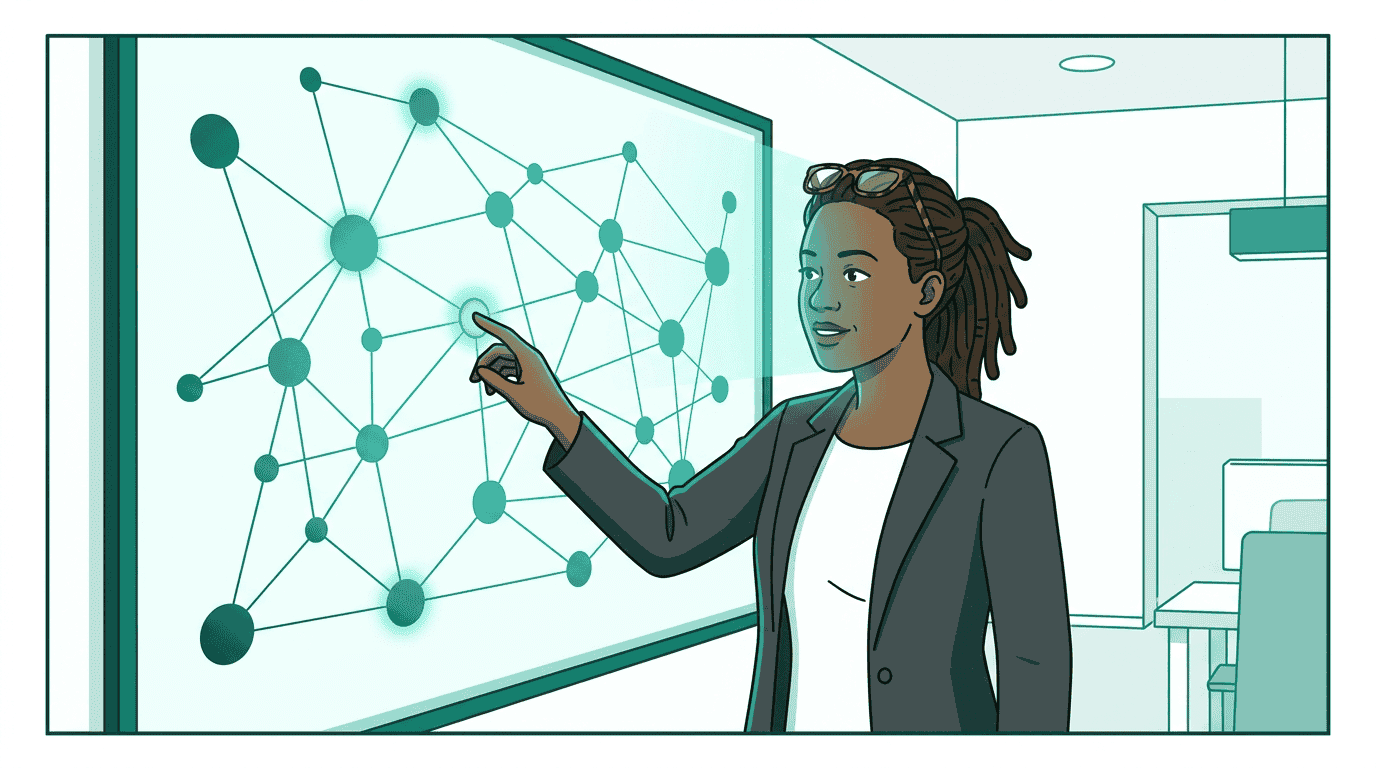
adagents.json file — a machine-readable declaration of their properties and authorized agents. Sales operators publish brand.json for company identity, sales-agent endpoints, and signing-key discovery. Alex’s buyer agent can resolve both files the same way a browser reads robots.txt.
What the registry returns
What the registry returns
The registry API resolves brands to their AdCP agents:
Learn more: adagents.json
How publishers declare their properties and authorized agents.
Set up accounts
list_accounts shows all active relationships across every platform, so Alex can see at a glance which publishers her team is set up with.
Deep dive: Accounts
Commercial identity, billing models, and multi-advertiser management.
Discover what’s available
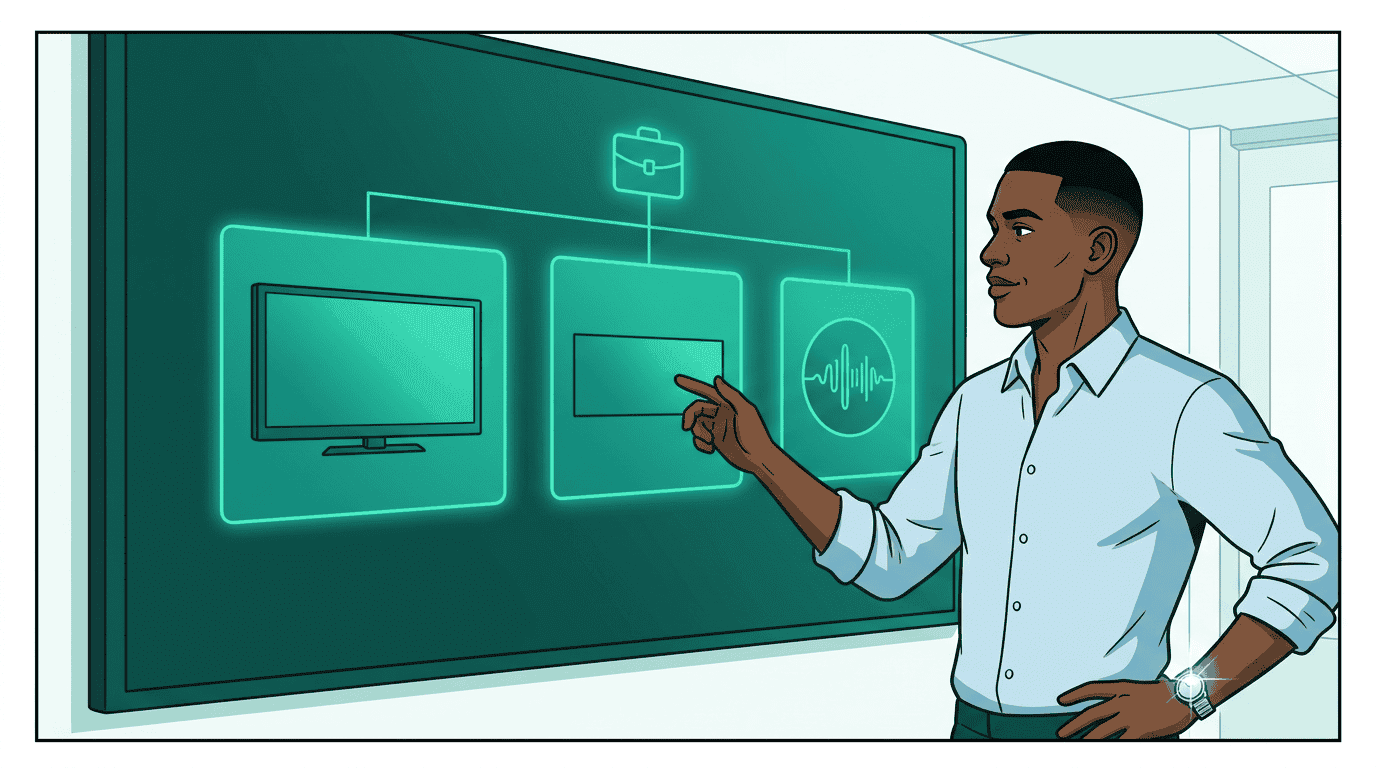
get_products sends the same structured request and brief to every connected seller. Sam keeps semantic intent in prose and exact constraints in fields every seller can process deterministically:
What a product response looks like
What a product response looks like
Follow Sam's full journey
The complete media buy walkthrough — brief to delivery across three sellers.
Build the creative

format_options[] with exact constraints—dimensions, codecs, file sizes, duration limits, and slots. No guessing.
Then Maya briefs the creative agent. One brief produces all formats:
brand.json (more on that below). No brand guide PDFs. No manual asset handoff.
If Maya doesn’t like the first draft, she refines with natural language: “Make the opening shot more dynamic and swap the product shot for the hiking boots.” The build_creative task supports iterative refinement — same task, conversational guidance.
Once approved, sync_creatives distributes the finished assets to every seller simultaneously:
Follow Maya's full journey
Creative generation, format discovery, and multi-seller distribution.
Execute the buy

create_media_buy executes the campaign across every seller:
create_media_buy task.
update_media_buy handles mid-flight changes: shift budget between packages, adjust flight dates, swap creative assignments. No need to cancel and recreate.
The trust surface underneath
That
idempotency_key on Sam’s request isn’t decorative. Pinnacle’s buyer agent signs the POST with RFC 9421 HTTP Message Signatures before it leaves the network. StreamHaus verifies Pinnacle’s signature against Pinnacle’s operator-published JWKS, then accepts the buy. When the campaign moves from pending_start to active, StreamHaus posts a signed webhook back to Pinnacle’s orchestrator — same signature profile, with StreamHaus’s request-signing key published through its brand.json agents[] entry and optionally pinned by publisher adagents.json. If Sam’s laptop drops the response and his agent retries, the idempotency_key makes the second call safe — StreamHaus returns the original buy with replayed: true instead of charging twice. Governance approvals ride along as signed JWS tokens on check_governance so no agent in the chain can forge Jordan’s sign-off. See the Security guide.Match at serve time
The campaign is live. When a user loads a StreamHaus page, opens OutdoorNet’s mobile app, or asks an AI assistant about hiking gear, the publisher needs to know which of Sam’s packages should activate — right now, for this content, for this user. The Trusted Match Protocol (TMP) handles this with two structurally separated operations. Context Match evaluates content signals against the available packages — no user identity crosses this boundary. Identity Match checks user eligibility using an opaque token — no page context crosses this boundary. The publisher joins both responses locally. Buyers never see identity and content together. One protocol, every surface: web, mobile, CTV, AI assistants, retail media.Add your data

sync_audiences:
Signals deep dive
How Sam discovers and activates Kai’s targeting data across platforms.
Govern it
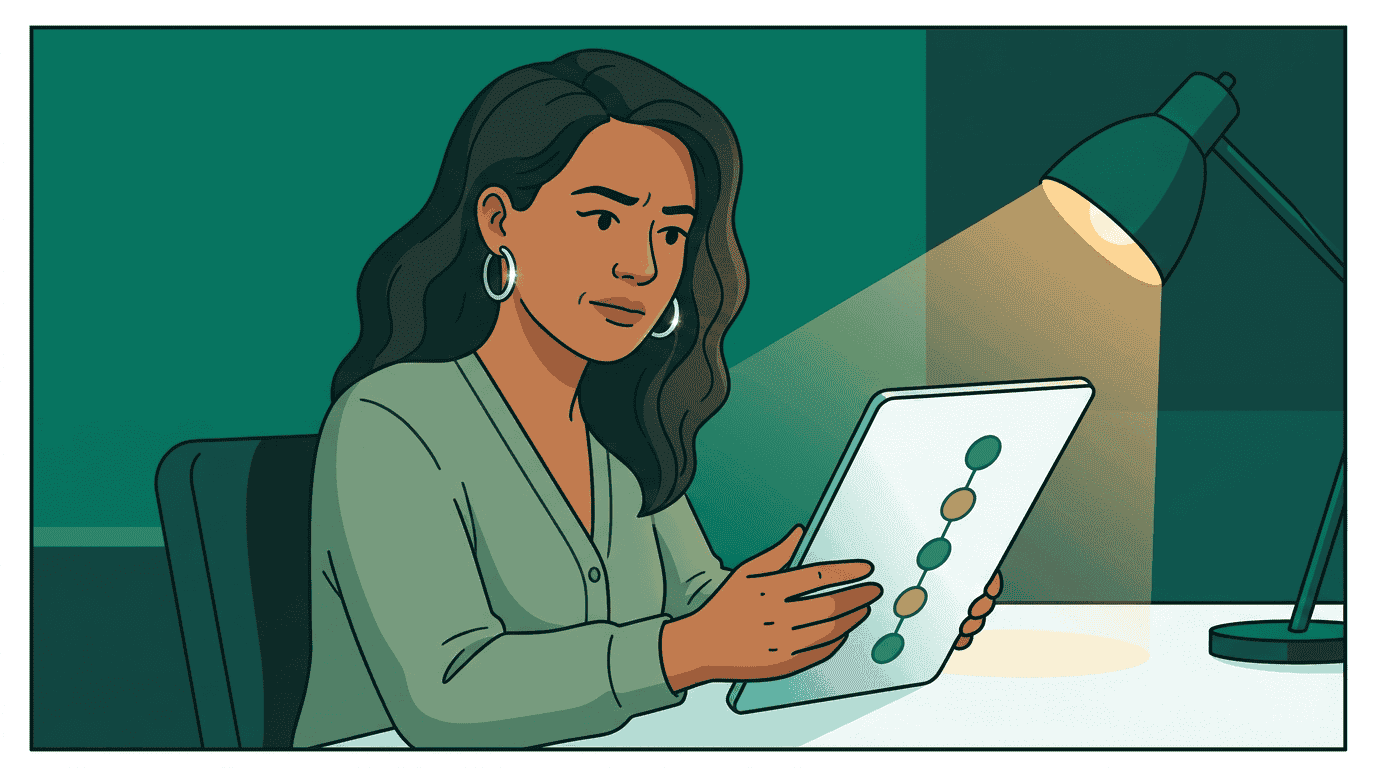
check_governance runs automatically before execution — budget limits, brand safety, targeting compliance:
get_plan_audit_logs provides the complete decision trail — who proposed what, who approved it, what conditions were attached, what actually ran. Every decision is recorded and attributable.
What an audit log looks like
What an audit log looks like
Follow Jordan's full journey
The governance walkthrough — from nightmare to audit trail.
Track performance
get_media_buy_delivery aggregates performance from every seller into one response:
log_event records marketing events — purchases, leads, sign-ups — back to the sellers for attribution and optimization:
provide_performance_feedback closes the optimization loop — telling sellers what’s working and what isn’t, so their algorithms can adjust:
Connect your store
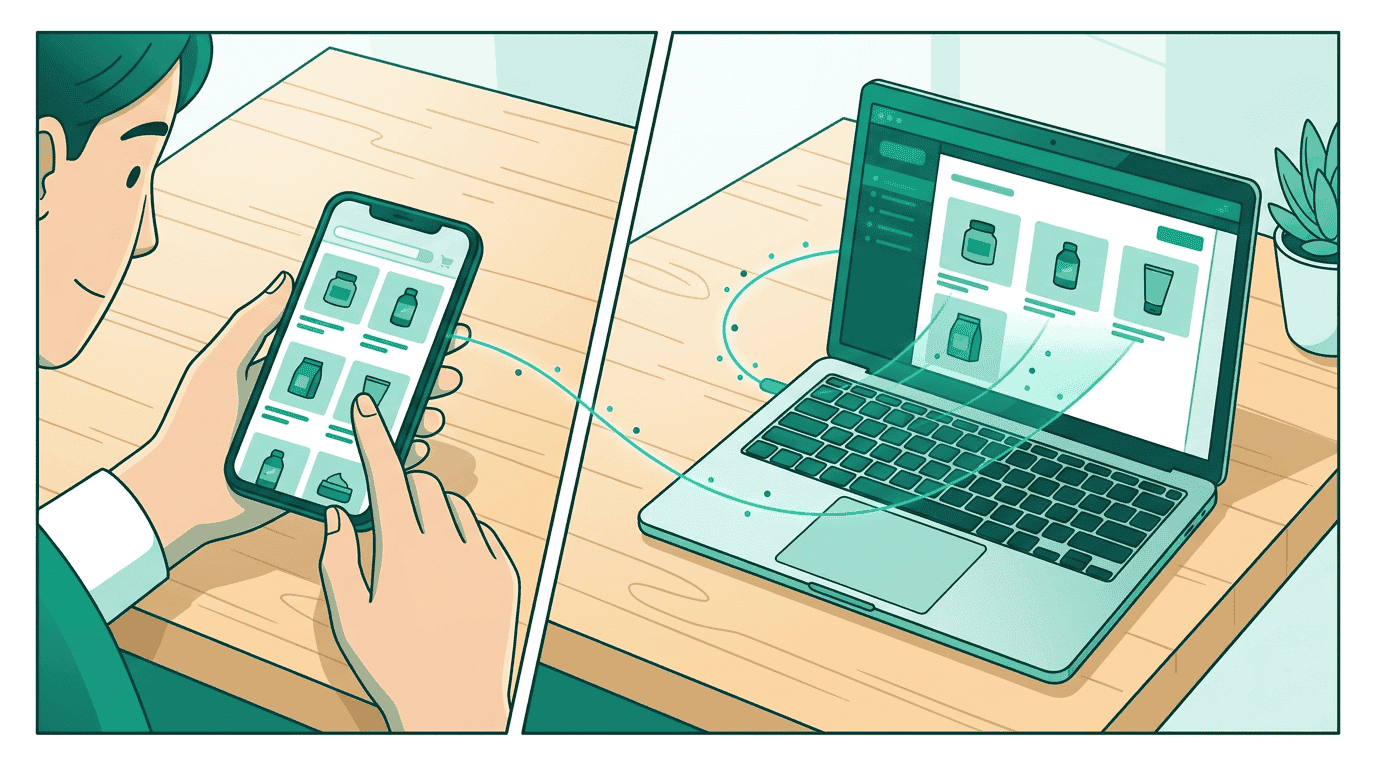
sync_catalogs pushes the product feed to every connected platform:
Protect the brand
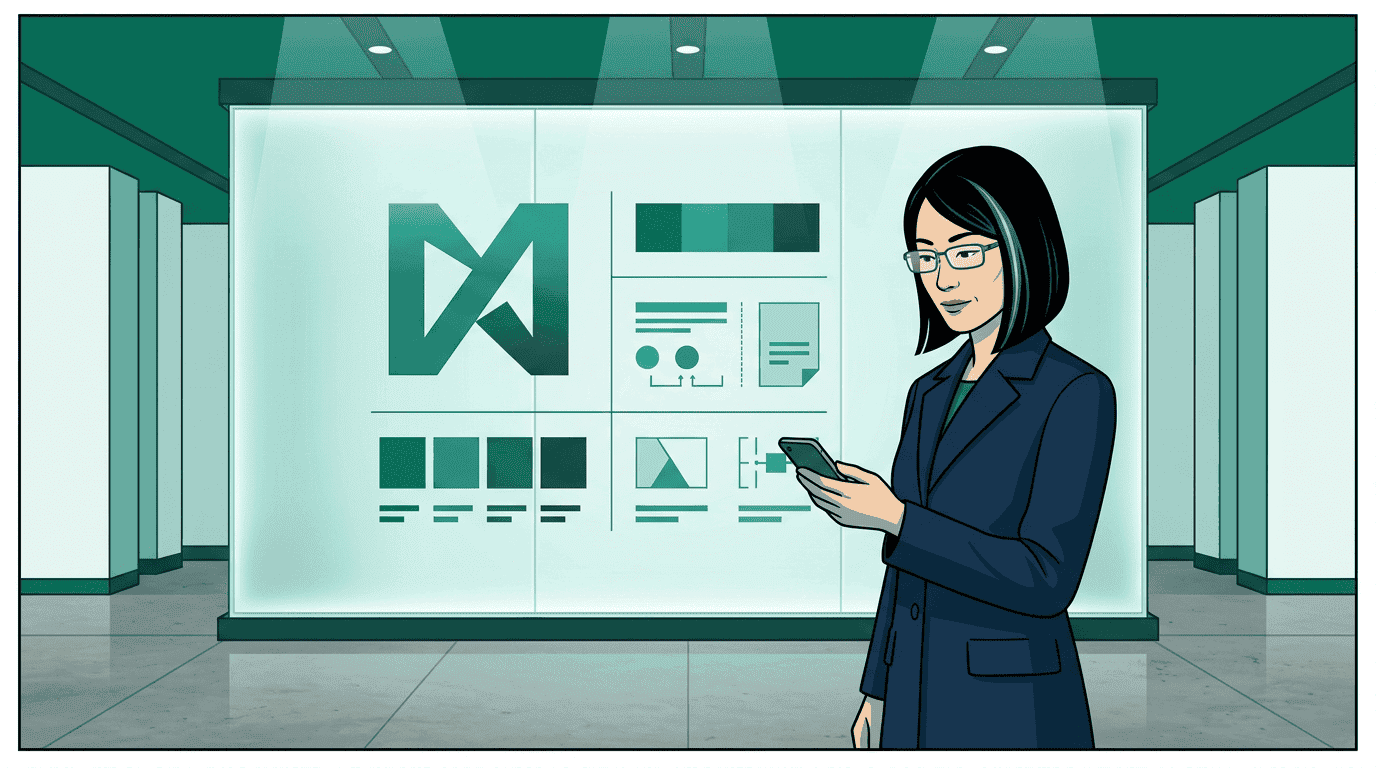
brand.json — a machine-readable brand identity that AI agents consume directly:
brand.json and the get_brand_identity task — colors, logos, tone, visual guidelines. No brand guide PDF. No manual asset handoff. The brand controls what AI agents see, and the protocol enforces it.
For campaigns using licensed talent or third-party IP, the brand protocol handles rights licensing — discovery, acquisition, creative approval, and lifecycle management, all through the same protocol.
Brand protocol
Brand identity, rights licensing, and how brands control what AI does with their assets.
The full picture
Alex started with twelve platforms, twelve integrations, and a team drowning in platform mechanics. Now her team works through one protocol:
Sam buys media. Maya builds creative. Jordan governs. Kai provides data. Tomoko protects the brand. They all speak the same protocol.
How it works underneath
AdCP doesn’t assume a single AI handles everything. Specialized agents handle what they’re best at:- Media buying agents discover inventory and execute campaigns
- Creative agents generate and adapt ads across formats
- Signals agents find and activate audiences
- Governance agents enforce brand safety and compliance
- Orchestrators coordinate the workflow and make sure humans approve what matters
Brief to live ads
Here’s what Alex’s team does now:- Write a brief: “Find premium video inventory on sports publishers for Q2 with a $50K budget”
- Agents discover options:
get_productsgoes to every connected seller simultaneously - Compare proposals: Products come back in a standard format — pricing, forecasts, targeting — all comparable
- Agents build creatives:
build_creativeadapts assets to each seller’s formats - Approve and launch:
create_media_buyexecutes across platforms in one call - Match at serve time: TMP Context Match + Identity Match activate packages at each impression, with structural privacy separation
- Monitor delivery:
get_media_buy_deliveryaggregates performance from every seller into one view
Trust through governance
When AI agents spend money autonomously, trust requires structure. AdCP’s governance layer provides it:- Before a campaign launches:
check_governancevalidates budget limits, brand safety, and regulatory compliance - If something exceeds authority: The governance agent escalates to a human — your team approves, not the AI
- While campaigns run: Governance agents monitor delivery against approved parameters
- After delivery:
get_plan_audit_logsprovides a complete decision trail — who proposed what, who approved it, what actually ran
Where do you want to start?
I want to buy on AI platforms
For brands, agencies, and businesses who want to advertise on AI surfaces
I want to build with AdCP
For platforms, publishers, and developers implementing the protocol
Get started
Ask Addie
Ask questions about AdCP, explore the protocol, and test tasks — no code required
Client SDKs
JavaScript, Python, and Go libraries with CLI tools for testing
Brand.json builder
Create and validate your brand’s brand.json file
AdAgents.json builder
Validate or create your publisher’s adagents.json file
Registry
Browse registered agents, brands, and publishers
Building with AdCP
Choose between MCP and A2A, learn implementation patterns
See it in action
Media buy
Follow Sam through a complete campaign — brief to delivery
Trusted Match
Real-time package activation with structural privacy separation
Creative
Follow Maya through creative generation and distribution
Governance
Follow Jordan through the trust model that protects your spend
For platform providers
AI is buying ads. Make sure it can buy yours. If you operate a DSP, SSP, publisher, data platform, creative platform, governance service, or any ad tech solution, AdCP lets AI agents discover and transact with your platform. To get started:- Implement an AdCP agent — Expose your platform’s capabilities as AdCP tasks over MCP or A2A. Start with
get_adcp_capabilities. - Publish discovery and authorization records — Use
brand.jsonfor operator identity, agent endpoints, and signing-key discovery; use publisheradagents.jsonfor properties and authorized agents. - Test your implementation — Validate with Addie or the client SDKs.
- Publishers and SSPs: Media Buy and adagents.json
- Data providers: Signals and data provider guide
- Creative platforms: Creative
- Governance vendors: Governance protocol
- Brands: Brand Protocol and brand.json
For advertisers and agencies
Run campaigns across more platforms without scaling your team. AdCP-enabled agents work across all your media partners through a single interface — the same tasks buy CTV inventory, activate audience data, and manage creatives regardless of which platform you’re working with.- Read the buyer’s guide — The monetizing AI guide explains how this works for brands, agencies, and SMBs.
- Check platform support — See which of your media partners support AdCP, or browse the registry.
- Try it with Addie — Ask Addie to walk you through the protocol — no code required.
- Build your own agent — No engineering team required. The certification program teaches anyone to build a working advertising agent through vibe coding — describe what you want, an AI coding assistant writes the code.
- Connect with your team — Share the building guide and client SDKs with your technical team to start integrating.
Client libraries
Open-source examples
The Prebid Sales Agent is a full-stack seller agent (Python backend, TypeScript protocol layer) with GAM integration, built by a Prebid working group. It is a community example, not a maintained reference implementation. To build your own agent, start with the official SDKs and skill files.Organization
AdCP is a project of AgenticAdvertising.org, an industry organization of publishers, platforms, agencies, and technology providers advancing open standards for AI-powered advertising. Members join AgenticAdvertising.org to develop and adopt the protocol. Foundation governance — structure, voting classes, Board composition, specification lifecycle, and conduct rules — is summarized in the repository’s CHARTER and published at agenticadvertising.org/governance.Need help?
- Browse the documentation
- Ask in the Slack community
- Email: support@adcontextprotocol.org